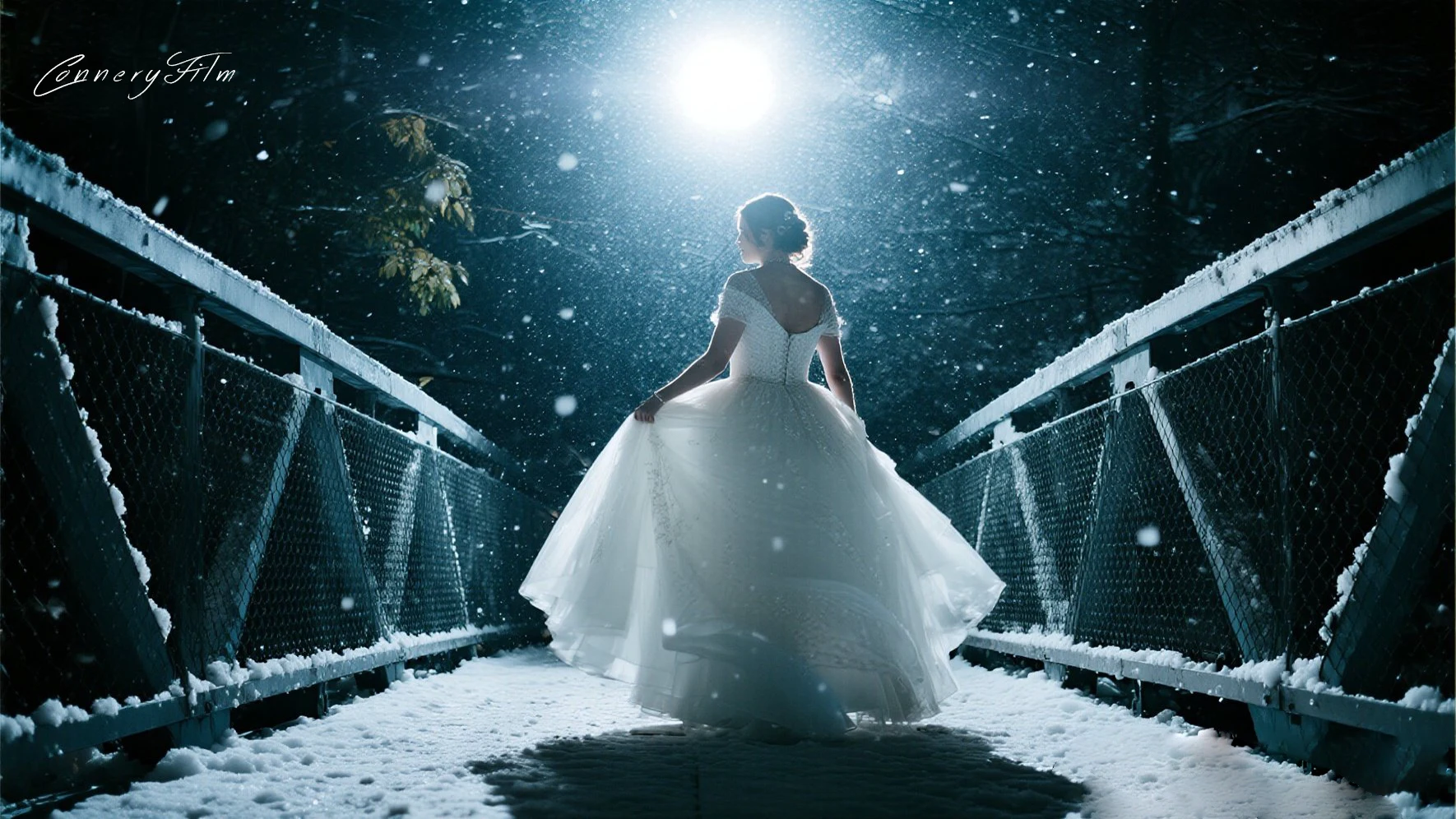
Short version: yes, I use auto ISO at almost every wedding I shoot, and I've been doing this for 17 years across Los Angeles. But if you're an engaged couple reading this because you're worried your photographer's settings will make or break your gallery, let me give you the real answer — auto ISO is a tool, not a crutch, and how someone uses it matters far more than whether they use it at all.
Let me walk you through when it works, when it quietly ruins photos, and how I actually run my cameras on a wedding day. Whether you're a couple vetting a shooter or a beginner trying to figure this out, this is the honest breakdown.
What auto ISO actually does (in plain English)
On a wedding day, three things control your exposure: aperture (how much light the lens lets in), shutter speed (how long the sensor is exposed), and ISO (how sensitive the sensor is to light). Auto ISO means you lock in your aperture and shutter speed, and the camera picks the ISO on the fly to keep the exposure correct.
Why does that matter at a wedding? Because the light changes constantly and fast. One second I'm shooting the couple in bright open shade on a rooftop in DTLA, the next they've stepped into a shadowed doorway. If I had to spin an ISO dial every time the light shifted, I'd miss the moment. Auto ISO lets the camera keep up with the chaos while I keep my eyes on the couple.
The honest answer: I'll be blunt
Most photographers won't admit how much they lean on auto ISO because there's this old-school pride around "shooting full manual." Honestly, I think that pride costs people photos. A wedding is not a studio. You get one shot at the first kiss, the father-daughter dance, the tears during the vows. If your ISO is set wrong because you were too busy being a purist, that moment is gone forever. Nobody in the gallery cares that you shot manual. They care that grandma's face is sharp and properly exposed.
So yes — use auto ISO. But you have to set it up correctly, and you can't turn your brain off just because the camera is doing math for you.
How I set up auto ISO on a wedding day
Here's the way I run it, and this is the part beginners usually get wrong. Auto ISO is only useful if you set boundaries. I shoot in aperture priority or manual with auto ISO, and I always configure three things:
- A minimum shutter speed. This is the single most important setting. If your camera drops the shutter too low to keep ISO down, you get motion blur — blurry hands during the ring exchange, ghosting on the dance floor. For a moving reception I set a minimum of 1/200 or faster. For a still, posed portrait I'll let it drop to 1/125.
- A maximum ISO ceiling. I cap it so the camera never climbs into unusable grain territory. On my modern bodies I'm comfortable letting it ride up to ISO 12800 for a dark reception. Ten years ago that number was 3200. The gear got dramatically better.
- Exposure compensation. Because auto systems love to overexpose a bride in a white gown, I dial in about -1/3 to -2/3 stops to protect the highlights in the dress. This is the difference between a wedding dress with texture and a blown-out white blob.
Once those guardrails are in place, auto ISO stops being risky and becomes a genuine advantage. I've written more about the actual bodies and lenses I trust in my breakdown of the camera gear professional wedding photographers use if you want to nerd out on that.
Where auto ISO shines in Los Angeles
LA throws every lighting condition at you in a single day, and this is exactly where auto ISO earns its keep. A few real scenarios I run into constantly:
Golden-hour beach portraits in Malibu or Santa Monica. The light drops fast after 6:30pm in summer. As the sun sinks, I want to keep my aperture wide for that dreamy background and my shutter fast enough to freeze a windblown veil. Auto ISO quietly bumps up as the light fades so I never have to stop and think. I just keep shooting while the sky is going pink.
Ceremony-to-reception transitions. Picture a Bel-Air or Pasadena estate. Ceremony outside in harsh 3pm sun, cocktail hour in dappled shade under oak trees, reception in a candlelit tent after dark. That's four completely different exposures in a few hours. Auto ISO handles the drift so I stay locked on faces.
Dark reception venues and receptions with DJ lighting. Downtown lofts and industrial venues are gorgeous but dim. Auto ISO with a smart ceiling means I can grab candid laughs at the bar without chimping at my screen every five seconds.
When I turn auto ISO OFF
It's not for everything. There are moments I go fully manual, ISO included, and I want you to understand why so you know your photographer should too:
- Anything with flash. When I'm bouncing flash at a reception, I want full control. Auto ISO plus flash fights itself and gives you inconsistent, muddy backgrounds. I lock everything down.
- Consistent, unchanging light. A getting-ready room with steady window light, or a controlled studio-style portrait setup — no reason to let the ISO wander. I set it and forget it.
- Long-exposure creative shots. Those sparkler exits and night skyline shots downtown need deliberate settings. Auto anything will wreck them.
Knowing when to switch is the whole game. That instinct only comes from having shot hundreds of weddings, which is exactly why experience matters more than settings. I dig into this more in my best wedding photography tips.
What I'd tell a beginner
If you're just starting out and shooting your first weddings, learn manual first — actually learn it, so you understand what the camera is compensating for. Then graduate to auto ISO with a shutter floor. Don't start there without understanding the fundamentals, or you'll never know why a photo failed. A camera on auto ISO with the wrong minimum shutter will hand you a whole gallery of soft images and you won't understand why until it's too late. If you're at the beginning of this road, my advice for wedding photography beginners covers the habits that actually keep you out of trouble.
For couples: what this actually means for your gallery
If you're a couple, you don't need to memorize any of this. What you need to know is that a good photographer has a system for every lighting situation your day will throw at them, and they can explain it without panic. When you're vetting people, this is a fair thing to bring up. I've got a full list of the questions worth asking a wedding photographer before booking, and "how do you handle low light at the reception" belongs on it. A confident answer tells you they've solved this problem a thousand times.
At ConneryFilm, photo and video live under one roof — same team, same day, one seamless experience. That matters here more than you'd think. My photographers and cinematographers coordinate exposure and lighting decisions in real time so your stills and your film look like they came from the same wedding, not two strangers who happened to show up. When the light gets tricky at a dark Downtown reception, we're solving it together instead of two vendors elbowing each other for the same shot.
Frequently asked questions
Is auto ISO cheating?
No. That's an ego argument, not a photography one. Auto ISO is a professional tool that frees you to focus on composition and moments. What matters is the final image, and every serious shooter I know uses it with guardrails set.
What's a safe maximum ISO for wedding photos?
On modern full-frame cameras from the last few years, ISO 6400 to 12800 is very usable, and clean-up software handles the grain beautifully. Older bodies I'd cap around 3200. High ISO grain is far less offensive than blur, so I'd rather ride the ISO up than lose sharpness.
Won't high ISO make my photos grainy?
A little, in the darkest moments — but modern noise reduction is genuinely excellent, and a touch of grain on a candlelit dance-floor shot reads as mood, not a mistake. A blurry photo is unfixable. A slightly grainy one is often beautiful.
Does auto ISO work with flash?
Not well, in my experience. When I add flash I switch to fully manual ISO so the ambient light and the flash don't fight each other. Auto ISO plus flash gives inconsistent backgrounds and unpredictable results.
Should my photographer be shooting manual instead?
Not necessarily. A great photographer moves fluidly between manual and auto ISO depending on the moment. If someone tells you they only ever shoot one way, that's a small red flag — weddings demand flexibility, not dogma.
If you're planning a Los Angeles wedding and you want a team that sweats these details so you never have to think about them, I'd love to hear about your day. Call or text 818.749.7039 or reach out through ConneryFilm.com — let's grab a coffee, talk through your timeline and your venue's lighting, and make sure your photos and film both come out exactly the way you're picturing.
Meet the Author: Connery Davoodian Hello, I'm Connery Davoodian, the visionary behind ConneryFilm, and I'm thrilled to share insights from my 17-year journey through the world of wedding photography and videography. My passion extends beyond simply capturing images; it's about artfully weaving your unique love story into a timeless, cinematic masterpiece. My artistic path began long before I ever picked up a camera, deeply rooted in music as a singer, songwriter, and multi-instrumentalist. This diverse background in directing, producing, and editing has cultivated a unique perspective, allowing me to approach each wedding not just as an event, but as a dynamic narrative waiting to be beautifully told. This blend of technical mastery and creative storytelling is the heartbeat of ConneryFilm, ensuring that every frame, every shot, and every film is infused with depth, emotion, and unparalleled artistic integrity. At ConneryFilm, we believe your wedding memories deserve nothing less than bespoke luxury. My philosophy centers on capturing the authentic, unscripted moments – the genuine smiles, the tender glances, the joyful laughter – that truly define your day. While we obsess over exquisite details and sophisticated aesthetics, our true joy comes from making you feel completely at ease, like a "friendor" who genuinely celebrates alongside you. This calm, organized presence allows your true personalities to shine, resulting in images and films that are as real and vibrant as your love itself. Based in the heart of Los Angeles, California, my team and I are privileged to serve couples across the globe, bringing our signature high-end wedding photography and videography to destination weddings worldwide. Through these blog posts, I aim to share invaluable insights, luxurious inspiration, and practical, fun advice to guide you through your wedding planning journey, helping you make informed decisions about preserving your most cherished moments. Thank you for trusting ConneryFilm to be a part of your extraordinary adventure. I'm excited to share my knowledge and passion with you, helping you create memories that will last forever.